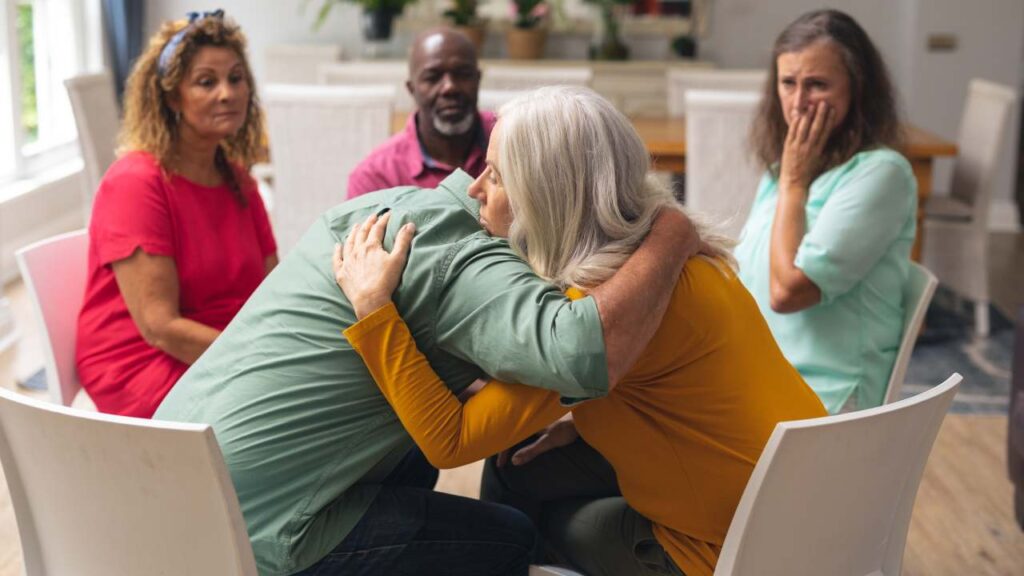
When you’re exploring what is a sober house, you’re looking for a safe, structured environment to support your recovery journey after detox, rehab, or a relapse. A sober house—also called a sober living home or recovery residence—offers more than just a roof over your head. It provides accountability, peer support, and stability as you transition back into daily life. In California, sober houses have become an essential bridge between clinical treatment and independent living, helping you build routines and connections critical to long-term sobriety.
In this article, you’ll learn how sober houses work, why they improve recovery outcomes, and what to expect when you move in. We’ll compare your housing options, outline common rules and structures, highlight the role of peer support, and explain how relapse is handled. You’ll also discover how R & R Health’s California sober living homes support your recovery and how your family can get involved. By the end, you’ll have the guidance you need to choose the right sober environment for you or your loved one.
Define sober house
What is a sober house?
A sober house is a substance-free living environment designed for people who have completed or are stepping down from a formal treatment program. Unlike treatment centers, sober houses do not provide clinical care or therapy on-site. Instead, they focus on maintaining a drug- and alcohol-free atmosphere through peer accountability and structured routines. According to Wikipedia, sober living houses serve as a transitional environment between inpatient rehab and mainstream society.
Key characteristics
- Alcohol- and drug-free residence
- Peer-driven or staff-supervised structure
- Required adherence to house rules (curfews, chores, meetings)
- Connection to local recovery programs (12-step, SMART Recovery)
- Flexible length of stay based on individual goals
Explain sober living
Supporting long-term sobriety
Sober living homes improve recovery outcomes when paired with ongoing treatment or 12-step participation. A structured schedule—including chores, meetings, and curfews—helps you develop the daily routines that reduce relapse risk. Studies show that sober environments with high accountability dramatically increase your chances of sustained abstinence [1].
Recovery methodologies
Most sober houses center around proven recovery approaches:
- 12-step programs (Alcoholics Anonymous, Narcotics Anonymous)
- Intensive outpatient services or outpatient counseling
- Life skills coaching (financial planning, job search strategies)
- On-site or nearby medical care and psychiatric support
- Peer mentorship from house managers in long-term recovery
Compare living options
When you leave treatment, you may consider several paths. The table below contrasts independent living, halfway houses, and sober houses:
| Feature | Independent living | Halfway house | Sober house |
|---|---|---|---|
| Clinical care | No | Yes, often | No |
| Supervision | None | Court-ordered or agency-run | Peer- or staff-supervised |
| Mandated participation | No | Yes (drug tests, therapy) | Yes (drug tests, meetings) |
| Focus | Self-guided recovery | Structured transition | Peer accountability and daily routines |
| Cost responsibility | You | Sliding scale or government funding | You (rent, utilities) |
| Duration | Indefinite | Fixed term (6–12 months) | Flexible (recommended minimum 90 days) |
This comparison draws on insights from Sober Surroundings [2].
Outline structure and rules
House rules
Each sober house sets its own guidelines, but common rules include:
- Zero tolerance for alcohol and illicit drugs
- Curfews and sign-in/sign-out procedures
- Mandatory participation in house meetings and recovery activities
- Rotation of household chores and maintenance tasks
- Regular drug and alcohol testing
Length of stay
While stays vary based on your recovery plan, a 90-day minimum is often recommended to rebuild stability and routines. Some residents remain longer to reinforce habits and deepen peer connections [1].
Highlight peer support
Camaraderie and accountability
Living alongside peers who share your goals fosters a supportive atmosphere. You’ll exchange coping strategies, hold each other accountable, and celebrate milestones together. This mutual encouragement combats loneliness—a known relapse risk factor—and builds a community united by sobriety [3].
Life skills development
Your housemates can mentor you in:
- Job searching and resume writing
- Managing finances and budgeting
- Time management and daily planning
- Conflict resolution and communication
Emotional resilience
Group discussions and informal check-ins help you process stressors before they trigger cravings. Sharing experiences promotes vulnerability and trust, strengthening your emotional toolkit for life after treatment.
Discuss accountability measures
Drug and alcohol testing
Routine screenings at varied intervals keep you honest and give the house a clear measure of compliance. Testing may be done by staff or through third-party services.
House meetings
Weekly or biweekly meetings provide a forum to discuss challenges, update on personal progress, and assign chores. These gatherings reinforce shared responsibility and collective problem-solving.
Handling relapse
Relapse is treated as a learning opportunity rather than grounds for punishment. If you slip, staff or house mentors will support you in reconnecting with treatment or seeking a higher level of care [4].
Show R & R Health support
Specialized sober living California
R & R Health operates a network of sober living California homes designed for men and women in early recovery. Each sober house California location offers safe, comfortable accommodations near meetings and treatment resources.
Personalized care
- On-site house managers available 24/7
- Life skills and relapse prevention coaching
- Coordination with outpatient providers and therapists
Staff mentoring
Your house mentors are in long-term recovery themselves. They guide you through challenges, model healthy habits, and celebrate your milestones.
Guide family involvement
Preparing your home environment
Families can support your transition by:
- Creating a calm, drug-free living space before move-in
- Removing alcohol and substances from family homes
- Setting clear expectations for visits and communication
Communication tips
- Schedule regular check-ins by phone or video
- Discuss progress and challenges with honesty
- Encourage participation in family therapy if offered
Visiting guidelines
- Coordinate visits around house curfews and meetings
- Respect house rules during family time
- Use visits as motivation to stay on track
Answer common questions
What is sober living home vs sober house?
A sober living home and a sober house are often used interchangeably. Both provide peer-driven, substance-free environments without formal treatment services. For more on subtle differences, see what is a sober living home and what is a sober living house.
Who pays for sober living homes?
You typically cover rent and utilities yourself, either through employment, family support, or grants. Learn more at who pays for sober living homes.
Can I bring sober friends?
Some sober houses allow you to invite sober peers for visits or double-up rooms. Check with your house manager and review the guest policy on sober friends.
Are there sober living options for men?
Yes. R & R Health and other providers offer men’s sober living and sober living for men homes tailored to men’s unique recovery needs.
How long should I stay?
A minimum of 90 days is recommended to build stability and relapse prevention skills. Your individual plan may extend longer based on your progress and goals.
By understanding what a sober house offers—structured routines, peer support, and accountability—you and your loved ones can make informed decisions about your next steps in recovery. Whether you choose a R & R Health sober living home or another recovery residence, the right environment can be the difference between short-term abstinence and lasting sobriety.