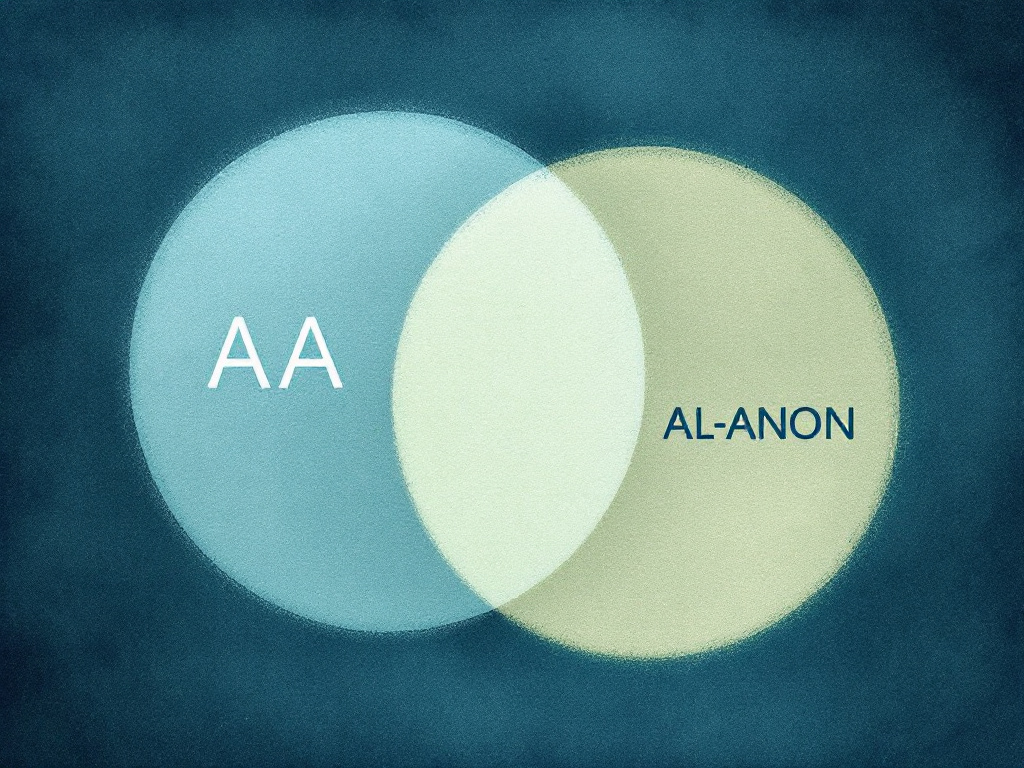
Navigating the world of addiction support can be confusing, especially when you’re torn between aa vs al anon. Whether you’re supporting a loved one or seeking personal resilience amid their recovery journey, understanding distinctions between these two fellowships is vital. This guide walks you through definitions, meeting structures, core principles, boundary setting, amends practice, and how sober living can complement your 12-step involvement.
By exploring AA vs Al-Anon side by side, you’ll gain clarity on which program aligns with your needs—whether you’re the person in recovery or someone significantly affected by another’s drinking. Let’s dive in.
Understand aa vs al anon
Define aa vs al anon
AA, or Alcoholics Anonymous, is a fellowship of individuals who identify as alcoholics working to achieve and maintain sobriety through the 12-step program. Meetings are free, confidential, and open to anyone who wants to stop drinking [1]. Al-Anon, on the other hand, offers mutual support for family members and friends of problem drinkers, focusing on personal growth, coping strategies, and emotional well-being rather than on changing the alcoholic directly. To learn more about its origins and purpose, see what is al anon.
Identify target audience
AA serves individuals with alcohol use disorder seeking direct help to quit drinking, while Al-Anon caters to those affected by someone else’s addiction—spouses, parents, adult children, siblings, and friends [2]. In many families, you’ll find one member attending AA meetings and another in Al-Anon, creating a dual support system that addresses both sides of addiction as a family disease.
Review meeting formats
Both fellowships offer varied meeting types—speaker meetings, discussion groups, step studies—and maintain anonymity and confidentiality. Meetings are typically free, with formats adapted to newcomers or long-term members. Understanding these formats helps you choose the setting where you feel most comfortable sharing and listening.
Explore aa meetings
Meeting types
- Speaker meetings: A member shares their recovery story, followed by group discussion.
- Discussion meetings: Participants take turns sharing challenges and solutions.
- Step study meetings: Each gathering focuses on one of the 12 steps in depth.
These formats accommodate different comfort levels, whether you prefer listening, sharing briefly, or deep-dive reflections.
12-step structure
AA’s core is the 12-step framework: admitting powerlessness over alcohol, believing in a higher power, conducting moral inventories, making amends, and carrying the message to others. A sponsor—an experienced member—guides you through the steps, offering one-on-one support and accountability.
Group support dynamics
Mutual support is the heartbeat of AA. In sharing your experiences, you realize you’re not alone, which reduces shame and isolation. Newcomers often find strength in hearing others’ struggles and triumphs, while seasoned members cement their own recovery by helping newcomers stay sober.
Explore al anon meetings
Meeting formats
Al-Anon meetings include open meetings for anyone interested and closed meetings reserved for those who have a relative or friend with a drinking problem. Formats often mirror AA—speaker, discussion, step meetings—yet focus on your feelings, boundaries, and self-care rather than on changing the drinker. See what are al anon meetings for details.
Alateen for teens
Alateen is a parallel fellowship within Al-Anon designed for teenagers coping with a family member’s alcoholism. It provides age-appropriate discussions, peer support, and coping skills, helping young people process their experiences in a safe space [3].
Self-assessment tools
Al-Anon offers quizzes on its website to help you determine whether regular meetings or Alateen is right for you. These self-assessment tools guide you in deciding how to engage with the program effectively [3]. You can also explore how al anon works to understand meeting etiquette and the 12 steps tailored for family recovery.
Compare core principles
12-step similarities
Both AA and Al-Anon use a 12-step approach adapted to their audiences. You’ll encounter principles like honesty, hope, faith, courage, and willingness in both fellowships. Central rituals—such as sharing personal inventories and practicing spiritual maintenance—are fundamental across programs.
Serenity prayer meaning
The Serenity Prayer (“God grant me the serenity to accept the things I cannot change…”) is recited in both AA and Al-Anon, reinforcing acceptance and courage. Learn more about its significance at serenity prayer meaning.
Traditions in al-anon
Al-Anon adheres to 12 traditions guiding group unity and personal responsibility, including the idea of not taking itself too seriously.
Rule 62 meaning
Rule 62—“Don’t take yourself too damn seriously”—reminds you to balance earnest work with humor and humility. Read about this tradition at rule 62 meaning.
Spiritual vs secular approaches
AA historically emphasizes spirituality, encouraging belief in a “Power greater than ourselves,” though many meetings offer secular or agnostic formats. Al-Anon also uses spiritual language but centers on emotional health and boundary setting, making it accessible regardless of belief system [1].
Set healthy boundaries
Emotional boundaries in focus
Al-Anon teaches you to separate your well-being from the drinker’s behavior, reducing guilt and resentment. You learn to say no without shame and to protect your emotional energy.
Coping with enabling behaviors
Through Al-Anon’s literature and group discussions, you identify patterns of enabling—covering up for drinking, making excuses, or sacrificing your needs. Meetings guide you in replacing these habits with healthy, supportive actions that don’t enable continued addiction.
Seeking personal well-being
Many members report thriving by pursuing hobbies, reconnecting with friends, and prioritizing self-care rather than obsessing over their loved one’s drinking [4]. Al-Anon’s emphasis on happiness and serenity helps you rebuild a fulfilling life.
Practice living amends
Understand amends concept
In AA, making amends is Step 9: repairing the harm you’ve caused. Al-Anon encourages “living amends”—ongoing efforts to model integrity and accountability in your relationships. Explore practical strategies at living amends.
Steps to make amends
- Take personal inventory for wrongs you committed.
- List those you’ve harmed and become willing to make amends.
- Approach each person respectfully, offering genuine apology and restitution.
- Accept that not everyone will be ready to reconcile.
Ongoing accountability
Whether in AA or Al-Anon, you maintain progress through regular check-ins with a sponsor or trusted friend. Honesty and humility in daily life reinforce the spirit of making amends and foster lasting trust.
Integrate sober living
Daily accountability routines
Sober living environments—group homes or sober apartments—offer structured daily routines that include chores, meetings, and curfews. These practices reinforce accountability as you wake up to chores, attend meetings, and connect with peers.
Supportive living environments
Choosing a sober home with on-site meetings or easy access to AA and Al-Anon gatherings can keep you engaged in recovery. Living among peers pursuing sobriety or emotional health reduces isolation and temptation.
Complement meeting attendance
Pairing residential or outpatient treatment with AA or Al-Anon meetings accelerates progress. You’ll apply skills learned in therapy to real-world interactions in meetings, creating a feedback loop that strengthens resilience and coping strategies.
Decide your recovery path
Assess personal needs
Ask yourself: Are you seeking to end your own drinking, or do you need support coping with someone else’s alcoholism? Your role dictates whether AA, Al-Anon, or both fellowships are appropriate.
Combine programs effectively
Many find value in attending both AA and Al-Anon—often called “double winners.” This dual approach provides insight into both personal sobriety and family recovery, doubling the resources, feedback, and encouragement you receive [5].
Seek professional guidance
While 12-step fellowships offer peer support, you may also benefit from professional counseling, medical detox, or specialized family therapy. A qualified therapist can help integrate these resources into a comprehensive recovery plan tailored to your unique circumstances.
By understanding AA vs Al-Anon, exploring their meeting structures, comparing core principles, and integrating sober living and boundary-setting tools, you can make an informed choice for yourself or your loved one. Whichever path you choose, remember that ongoing support, honest reflection, and consistent action are key to lasting recovery and healthier relationships.